

1300s–1500s: Lethington Tower
Built as a defensive stronghold; Maitland acquisition (1345); burned during 1549 English raids; Siege of Haddington.
1500s: Reformation & Royal Intrigue
William Maitland as Secretary to Mary, Queen of Scots; secret political plotting.
1600s–1700s: The Lauderdale & Blantyre Era
First enclosed estate and deer park in Scotland; named “Lennox’s Love to Blantyre” by Duchess of Richmond.
1912–1914: Lorimer Restoration
Sir Robert Lorimer restores the Great Hall, uncovering original medieval stonework and installing the grand fireplace.
1947–Present: Dukes of Hamilton
Purchased by 14th Duke of Hamilton; seat of Scotland’s premier noble family and keepers of the Crown of Scotland.
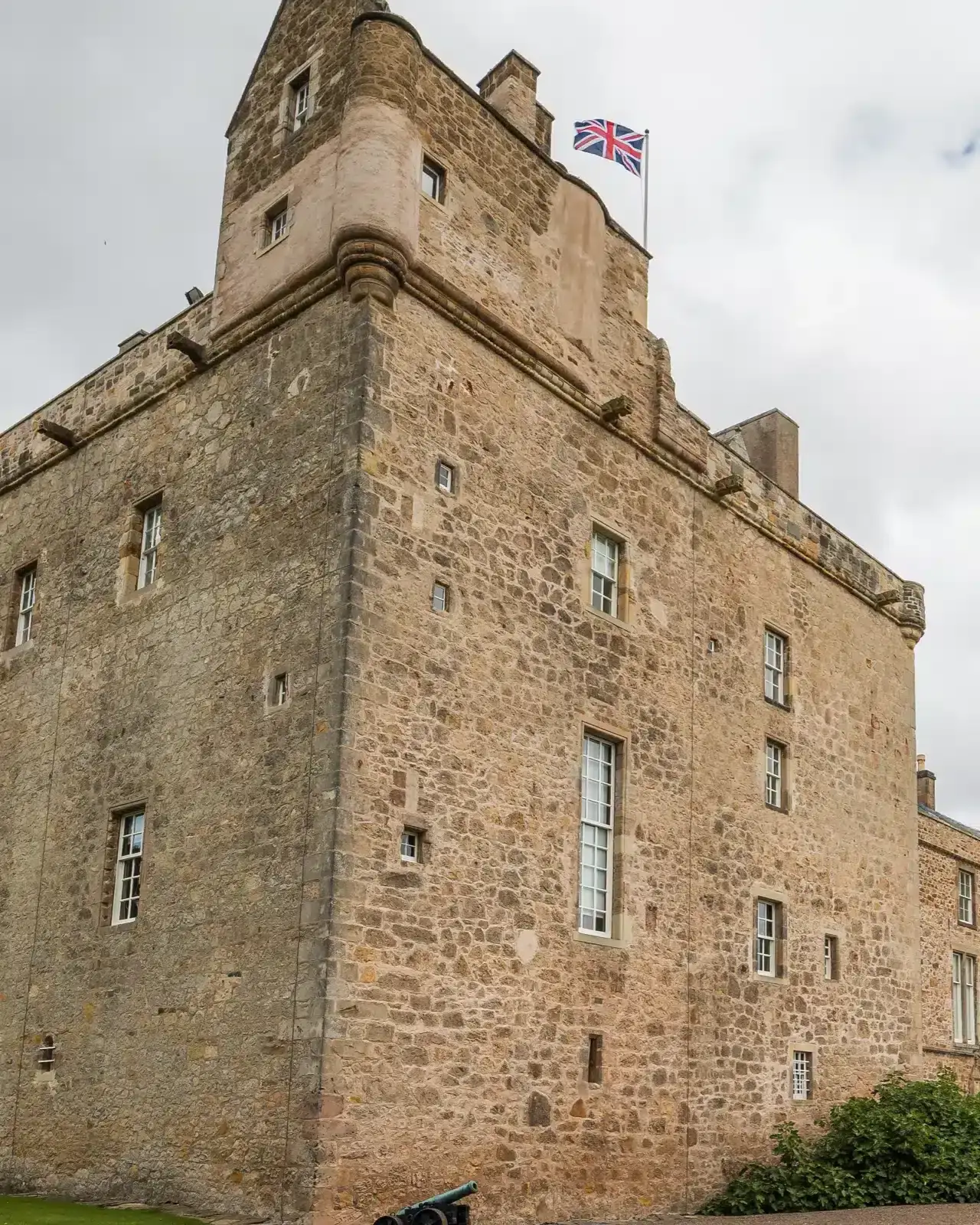
Early Origins
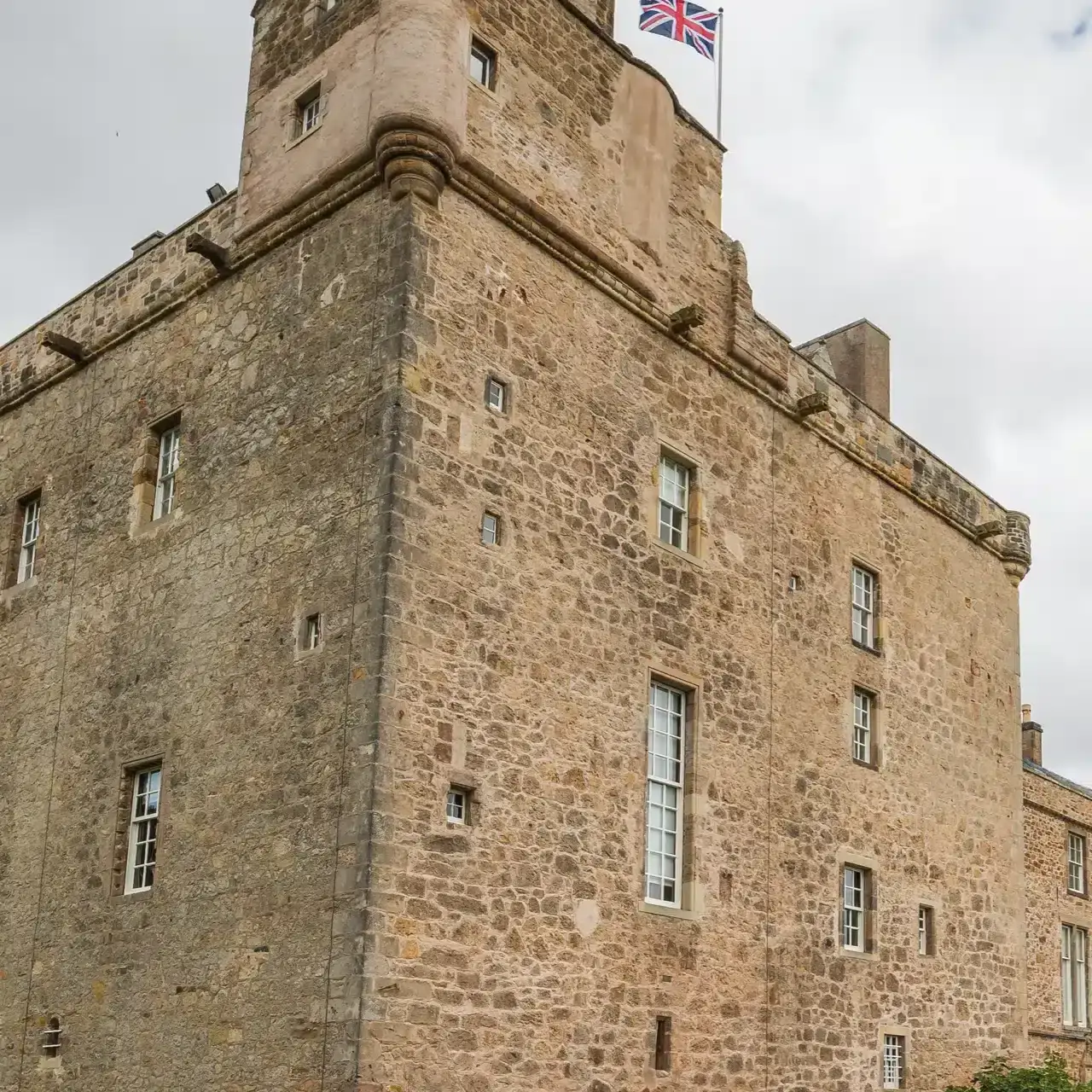
Lennoxlove has seen many changes throughout history. Originally constructed in the 1300s as a defensive building, it was known as ‘Lethington Tower’ and acquired by the Maitland family in 1345 whose coat of arms are displayed at the original entrance of the house.
On many occasions due to its location and closeness to the Scottish/English border Lethington Tower found itself under attack and was reportedly burned by the English in 1549.
The earliest part of the house is known as the undercroft and now houses the chapel and bottle dungeon.
Religions, Intrigue and Power
The Maintlands were a powerful family, later to become the Dukes of Lauderdale, and Lethington Tower was a focal point for much of the plotting and power struggles during the bloody Scottish Reformation. Importantly it was home to William Maitland of Lethington (1525–1573), who was Secretary of State to Mary, Queen of Scots. The vestiges of this exist, with a listening post in Lethington’s bedroom into the great hall and a prominent lane in the grounds being known as ‘the politician’s walk’.
The lands saw bloodshed during the Siege of Haddington, during the War of the Rough Wooing (1543–1550), when Henry VIII of England tried to for a marriage between his son Edward and Mary, Queen of Scots.
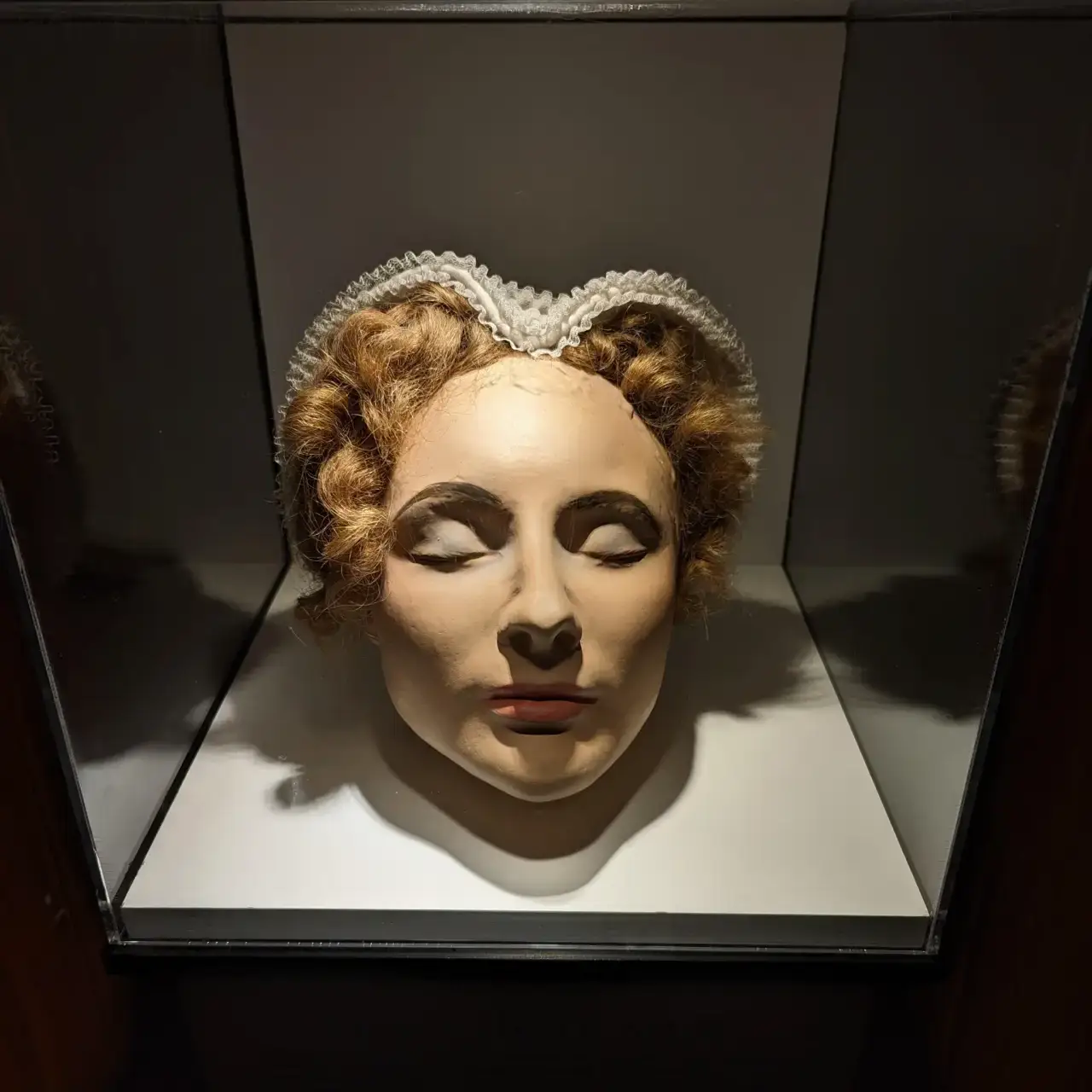
Consequently, Lennoxlove has long been tied to Scotland’s most famous monarch Mary Queen of Scots, further extended by the Dukes of Hamilton. The 2nd Earl of Hamilton, decedent of the later Dukes, was the closest adult male relative of Mary and on her death inherited a number of her most important artefacts, including a French silver casket said to have contained the letters and tokens sent between Queen Mary and the Earl of Bothwell, which incriminated the Queen in the murder of her second husband, Lord Darnley. A reproduction can be viewed at Lennoxlove. The original is now held by the National Museum of Scotland. However, the house’s most famous artefact is a stunningly lifelike wax death mask of Mark Queen of Scot, taken after her beheading.
Modernising Lennoxlove
In 1624 John Maitland, 2nd Lord Thirlestane, Viscount Lauderdale was further bestowed the title of 1st Earl Lauderdale by James VI and I. Two short years later in 1626 the 1st Earl Lauderdale extended and improved living Lethington Tower.
In 1674, Lennoxlove is said to have been the first Scottish estate to practice “enclosure”, dividing the ground into evenly sized rectangular fields while it is reported to have had the first deer park in Scotland.
On his death in 1682, John, 1st Duke Lauderdale having had no living male heir passed Lethington to his stepson and was subsequently sold. Lethington changed owners once again before being bought by the trustees of the Duchess of Richmond and Lennox following her death in 1702, for the benefit of her “neare and deare kinsman the said Walter Stuart”. Walter was the first cousin, twice removed, of the duchess, and was to become the 6th Lord Blantyre. The Duchess had stipulated that the property be called “Lennox’s Love to Blantyre”, this was subsequently shortened to Lennoxlove.
In 1900 Major William Baird inherited Lennoxlove from his grandfather, Charles Walter, 12th and last Lord Blantyre. Between 1912 and 1914, Scottish architect Sir Robert Lorimer directed extensive improvements including the expansive Great Hall. He removed the plasterwork that had covered the walls exposing the original stone work you see today. The intricately designed chimney piece was also put in.
The Dukes of Hamilton
In 1947, Lennoxlove was bought by the 14th Duke of Hamilton, becoming home to the Douglas-Hamilton family and seat of the Dukes of Hamilton and Brandon. The Duke is Scotland’s most senior noble and one of only five British peers to hold more than one dukedom.
Being the most senior noblemen in Scotland, the Duke of Hamilton has a number of constitutional and ceremonial roles including being the hereditary keeper of the Palace of Holyrood, the official royal residence in Scotland. He is also the hereditary bearer of the Crown of Scotland, a role performed by the 15th duke at the inauguration of the Scottish Parliament in 1999, the 16th Duke also placed the crown upon the coffin of Queen Elizabeth II during a service of remembrance in St Giles’ Cathedral on 12 September 2022.
Contact us
H & K Enterprises Limited
Lennoxlove Estate Office,
Haddington,
East Lothian,
EH41 4NZ
Explore
About Us
Lennoxlove House
The Estate
Property
Community
Latest News
Contact Us

© Hamilton & Kinneil Estates. All rights reserved.